
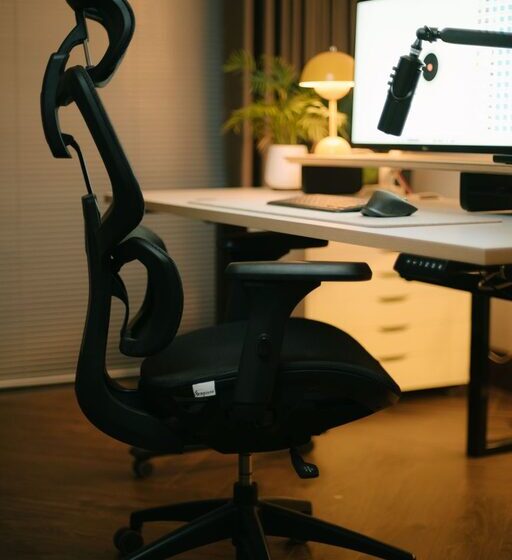

Choosing the right desk chair is essential for creating a comfortable and productive workspace, whether at home or in an office. A well-designed chair supports your posture, reduces strain, and helps you stay focused throughout the day. This guide offers practical tips to help you find a comfortable desk chair that fits your needs and preferences.
Why a Comfortable Desk Chair Matters
Spending long hours seated can impact your health without proper support. An uncomfortable chair may lead to back pain, neck stiffness, and fatigue, which in turn affect your concentration and productivity. Investing in a comfortable chair helps maintain good posture, supports your body, and encourages movement.
Key Features to Look For in a Desk Chair
When shopping for a desk chair, consider the following features to ensure both comfort and functionality.
1. Adjustable Seat Height
Your desk chair should have an adjustable height feature so your feet rest flat on the floor and your knees form a 90-degree angle. This position minimizes strain on your legs and improves circulation.
2. Lumbar Support
Good lower back support is crucial to prevent slouching and reduce spinal pressure. Look for chairs with built-in lumbar support or adjustable backrests that contour to your natural spine curve.
3. Seat Depth and Width
Choose a chair with enough seat depth to support most of your thighs without putting pressure behind your knees. The seat width should comfortably accommodate your hips while allowing freedom of movement.
4. Adjustable Armrests
Armrests that can be adjusted in height and width help reduce tension in your shoulders and neck. When resting your arms, your elbows should be near a 90-degree angle, keeping your shoulders relaxed.
5. Swivel and Mobility
A chair with a swivel base and caster wheels allows easy movement around your workspace without straining. This flexibility supports multitasking and reduces repetitive reaching motions.
6. Breathable Material
Materials like mesh offer breathability, which can help keep you cool during long periods of sitting. Upholstered chairs provide additional padding but may trap heat, so consider your environment when choosing material.
Additional Considerations for Comfort
Beyond basic features, some extra elements can enhance your sitting experience.
Padding and Cushioning
Adequate padding ensures comfort but avoid overly soft cushions that may cause you to sink and lose support. Medium-firm padding usually offers the best pressure distribution.
Backrest Recline and Tilt Tension
A chair that allows reclining can help you shift positions and reduce spinal pressure. Adjustable tilt tension lets you control the resistance when leaning back, adapting to your preference.
Headrest Availability
If you spend many hours sitting, consider a chair with a headrest to support your neck and head, especially when reclining.
Trying Before Buying
Whenever possible, test the chair before purchase. Sit in it for several minutes, adjusting the settings to your liking to gauge its comfort level. If shopping online, check the return policy to ensure you can exchange or return the chair if it doesn’t meet your expectations.
Caring for Your Desk Chair
To maintain comfort and prolong the chair’s lifespan, clean and inspect it regularly. Dust mesh and fabric surfaces, tighten loose screws, and lubricate moving parts to keep it functioning smoothly.
Conclusion
Choosing a comfortable desk chair is a worthwhile investment for your health and productivity. Focus on adjustable features, ergonomic design, and material quality to find a chair that supports your body and fits your workspace. Taking time to select the right chair will help you work more comfortably and efficiently every day.